Using IBC Totes for Rainwater Harvesting
A complete guide to setting up a rainwater collection system using IBC totes, including safety considerations and legal requirements.
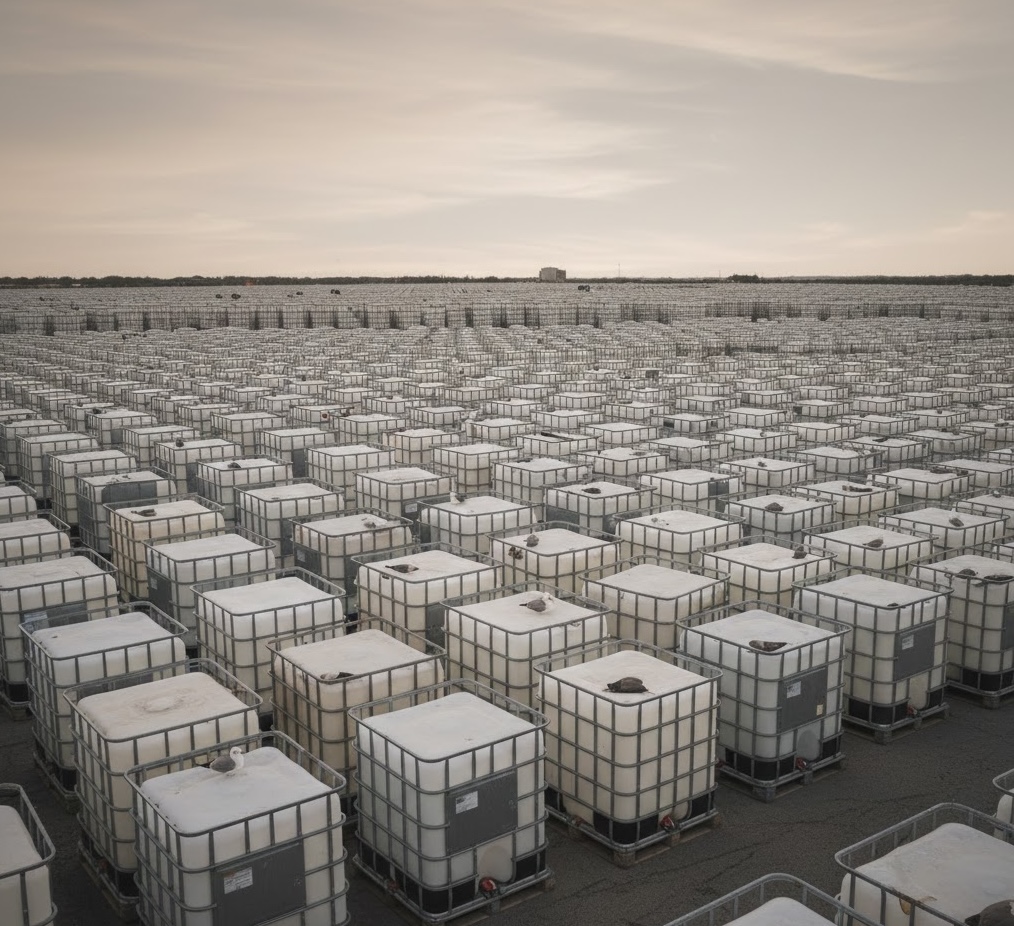
How craft breweries and wineries use food-grade IBC containers for ingredient storage, fermentation, and distribution.
Craft breweries and wineries increasingly use IBC totes as cost-effective alternatives to traditional stainless tanks for certain applications.
Food-grade IBCs cost a fraction of stainless tanks. For appropriate applications, they provide significant savings while maintaining food safety standards.
Contact Washington IBC Totes for quality containers and expert guidance.
Get a Free QuoteA complete guide to setting up a rainwater collection system using IBC totes, including safety considerations and legal requirements.
Step-by-step guide to converting IBC totes into effective aquaponics growing systems for sustainable food production.
Discover how farms and agricultural businesses use IBC containers for fertilizer, water, and chemical storage.