Understanding IBC Valve Types and Applications
An overview of different valve types used on IBC totes and how to choose the right one for your dispensing needs.
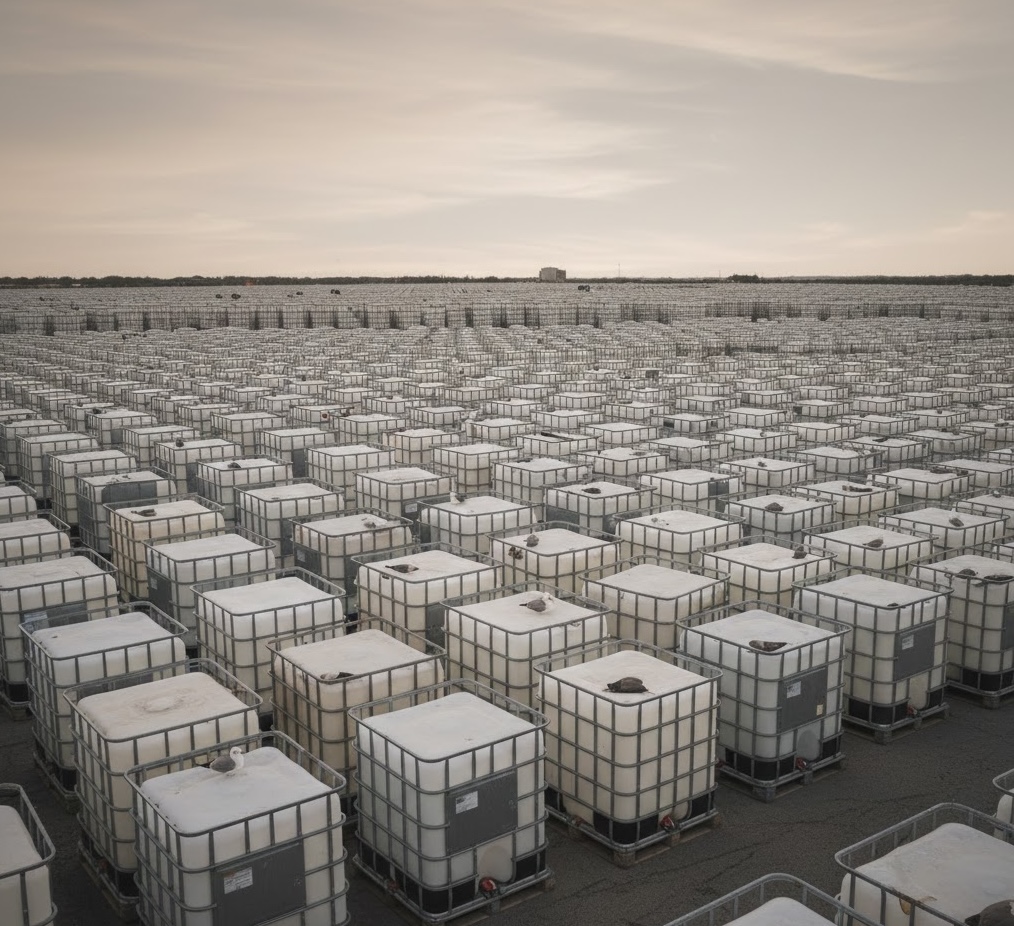
A comprehensive reference for determining which chemicals can be safely stored in HDPE composite IBCs and when to use specialty containers.
Chemical compatibility determines whether a substance can be safely stored in a container without causing degradation, contamination, or safety hazards.
High-Density Polyethylene (HDPE) is resistant to many chemicals but has limitations:
For solvents, reactive chemicals, and high-purity applications.
Special liners for specific chemical families.
Contact Washington IBC Totes for quality containers and expert guidance.
Get a Free QuoteAn overview of different valve types used on IBC totes and how to choose the right one for your dispensing needs.
A guide to using heating blankets for viscous liquids and cold weather storage, including temperature considerations.