IBC Grading System Explained: A, B, and C Grades
Understand the differences between IBC grades and learn which grade is right for your specific application and budget.
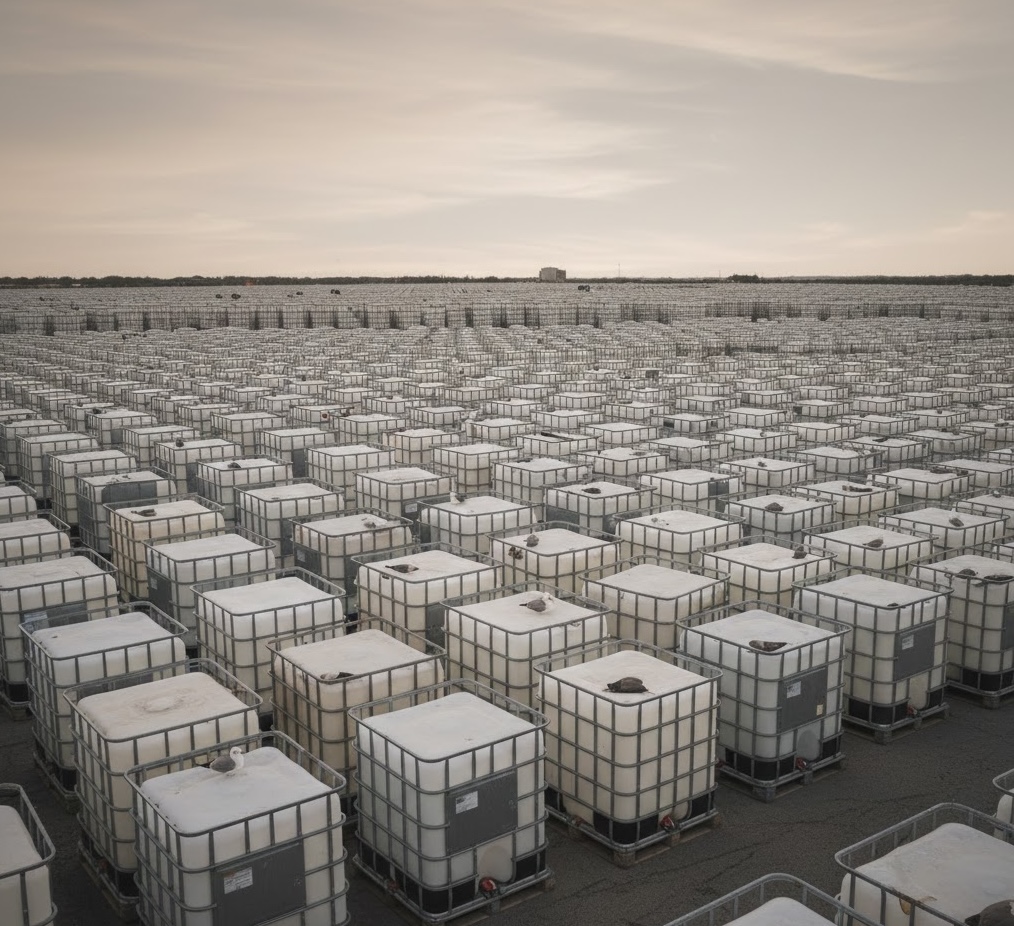
A comprehensive guide to selecting the perfect intermediate bulk container based on your specific needs, including material compatibility, size requirements, and industry standards.
Intermediate Bulk Containers (IBCs) are essential for efficiently storing and transporting liquids in industrial settings. Choosing the right IBC tote requires careful consideration of several factors including the type of material you'll store, volume requirements, and regulatory compliance.
The most common IBC material is High-Density Polyethylene (HDPE), which offers excellent chemical resistance for most applications. However, some chemicals may require stainless steel IBCs or specially lined containers. Always check chemical compatibility charts before selecting your container.
Standard IBCs hold 275 gallons (1,000 liters), but sizes range from 110 to 550 gallons. Consider your storage space, transportation requirements, and typical order quantities when selecting size.
Reconditioned IBCs offer significant cost savings—often 40-60% less than new containers. For non-sensitive applications, reconditioned Grade A or B containers provide excellent value while maintaining quality and safety standards.
Food and beverage applications require food-grade certified IBCs that meet FDA requirements. Chemical storage may require UN-certified containers. Agricultural applications often benefit from UV-stabilized containers that withstand outdoor exposure.
When in doubt, consult with IBC specialists who can assess your specific needs. At Washington IBC Totes, we help businesses throughout the state select the right containers for their applications, ensuring compliance and optimal performance.
Contact Washington IBC Totes for quality containers and expert guidance.
Get a Free QuoteUnderstand the differences between IBC grades and learn which grade is right for your specific application and budget.
A detailed financial comparison of purchasing new versus reconditioned IBC containers for various business applications.