10 Essential IBC Tote Maintenance Tips
Learn how to properly maintain your IBC totes to extend their lifespan and ensure safe, efficient use for years to come.
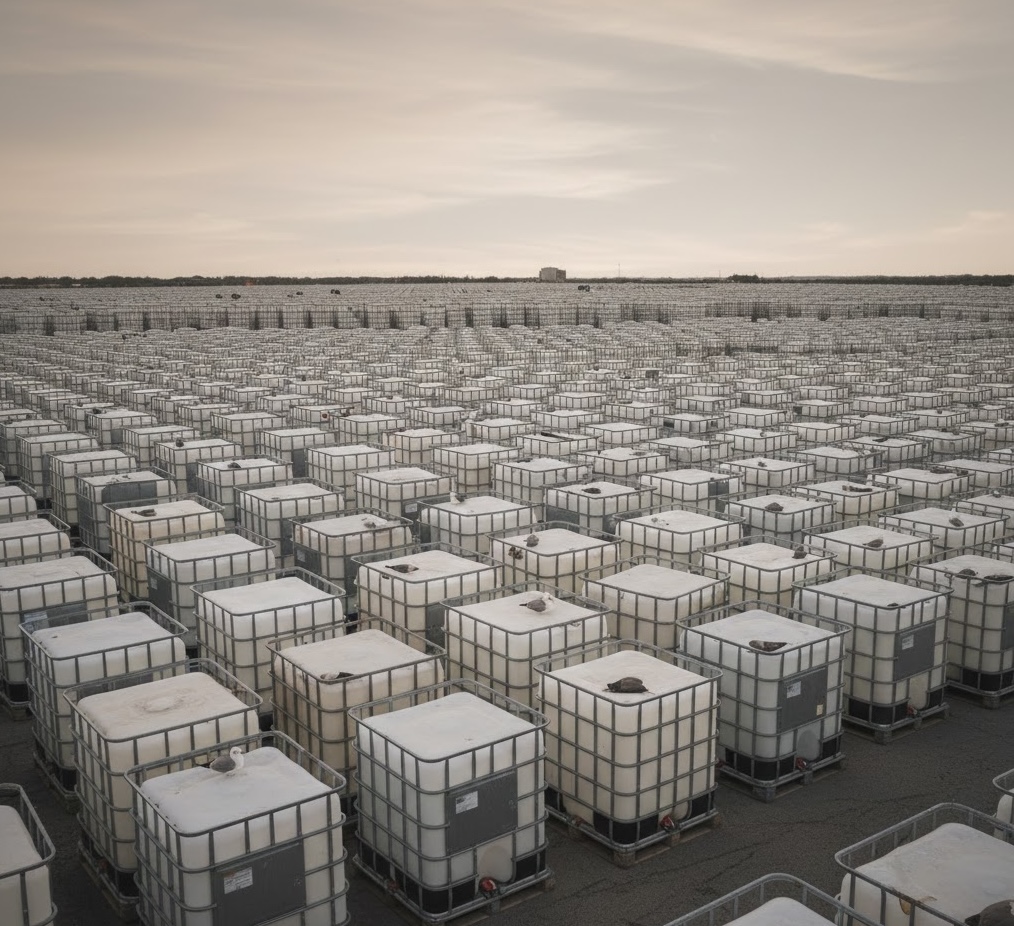
Learn about different cleaning techniques for IBC totes, from basic rinse procedures to thorough sanitization for sensitive applications.
Thorough cleaning prevents cross-contamination, maintains product quality, extends container life, and ensures regulatory compliance.
Suitable for non-hazardous, water-soluble residues:
For oils, syrups, and viscous materials:
For persistent contamination:
For food-grade and pharmaceutical applications:
For comprehensive cleaning, professional reconditioning services offer:
Always wear appropriate PPE, ensure adequate ventilation, and properly dispose of cleaning wastewater according to local regulations.
Contact Washington IBC Totes for quality containers and expert guidance.
Get a Free QuoteLearn how to properly maintain your IBC totes to extend their lifespan and ensure safe, efficient use for years to come.
Discover what determines how long your IBC totes will last, from UV exposure to chemical compatibility, and how to maximize their useful life.