UN Certification for IBCs: What You Need to Know
A detailed guide to UN ratings, certification requirements, and regulations for transporting hazardous materials in IBCs.
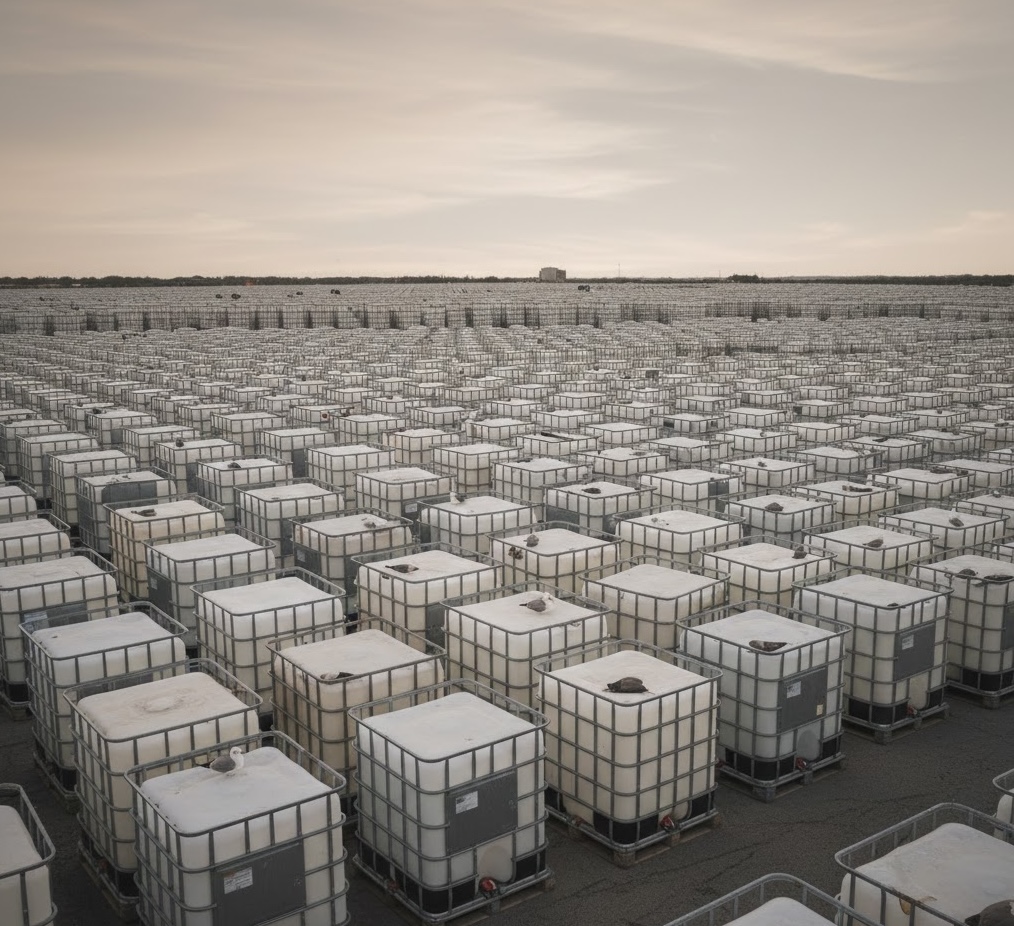
Everything you need to know about FDA regulations, food-grade certifications, and best practices for food and beverage storage in IBCs.
Food-grade IBCs are manufactured from FDA-approved materials and processed under conditions that ensure they're safe for contact with food products. This designation is crucial for maintaining food safety and regulatory compliance.
The FDA regulates materials that contact food under 21 CFR. Food-grade HDPE IBCs must be made from virgin resin that meets FDA specifications for food contact surfaces. The manufacturing process must also comply with Good Manufacturing Practices (GMP).
New containers made from virgin (never recycled) polyethylene. Required for most food applications.
Preferred for beverages, dairy, and sensitive food products. Easier to clean and sanitize. More expensive but longer lasting.
Some reconditioned IBCs can be used for food products if they meet specific criteria: only previously held food-grade materials, thoroughly cleaned and sanitized, and inspected to food-safety standards.
Maintain certificates of compliance, cleaning records, and product traceability documentation. This protects your business and ensures you can demonstrate compliance during audits.
Contact Washington IBC Totes for quality containers and expert guidance.
Get a Free QuoteA detailed guide to UN ratings, certification requirements, and regulations for transporting hazardous materials in IBCs.
Essential safety guidelines and regulatory requirements for handling, storing, and transporting IBC totes in workplace environments.