How to Choose the Right IBC Tote for Your Application
A comprehensive guide to selecting the perfect intermediate bulk container based on your specific needs, including material compatibility, size requirements, and industry standards.
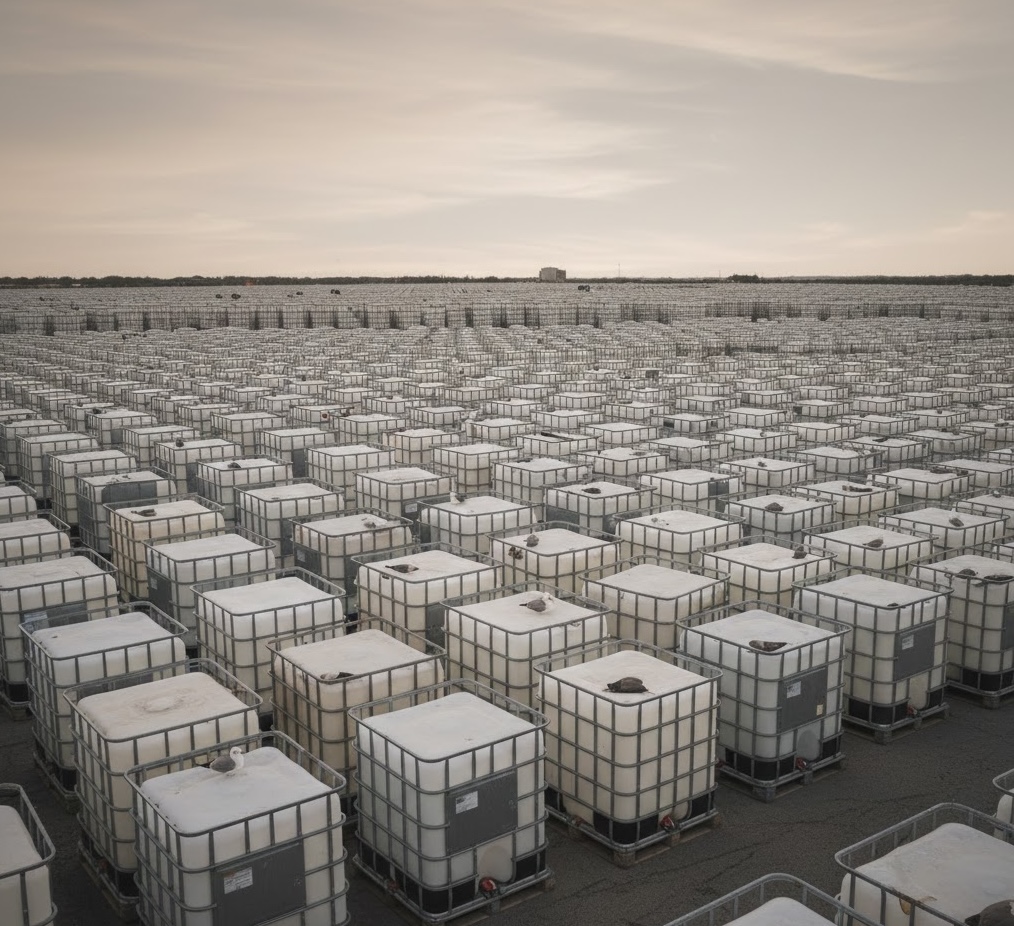
Understand the differences between IBC grades and learn which grade is right for your specific application and budget.
Used and reconditioned IBCs are classified into grades based on their condition. Understanding these grades helps you make informed purchasing decisions and balance cost with quality requirements.
Grade A IBCs are in excellent condition with minimal cosmetic wear. Features include:
Best for: Food and beverage, pharmaceuticals, cosmetics, and applications where appearance matters.
Grade B IBCs show moderate use but remain fully functional:
Best for: Industrial chemicals, agricultural products, non-sensitive applications.
Grade C IBCs show significant use but are structurally sound:
Best for: Non-critical storage, rainwater collection, waste management.
Typically, Grade B IBCs cost 15-25% less than Grade A, while Grade C containers offer 30-40% savings. Consider your actual needs—many applications don't require premium Grade A containers.
Contact Washington IBC Totes for quality containers and expert guidance.
Get a Free QuoteA comprehensive guide to selecting the perfect intermediate bulk container based on your specific needs, including material compatibility, size requirements, and industry standards.
A detailed financial comparison of purchasing new versus reconditioned IBC containers for various business applications.