10 Essential IBC Tote Maintenance Tips
Learn how to properly maintain your IBC totes to extend their lifespan and ensure safe, efficient use for years to come.
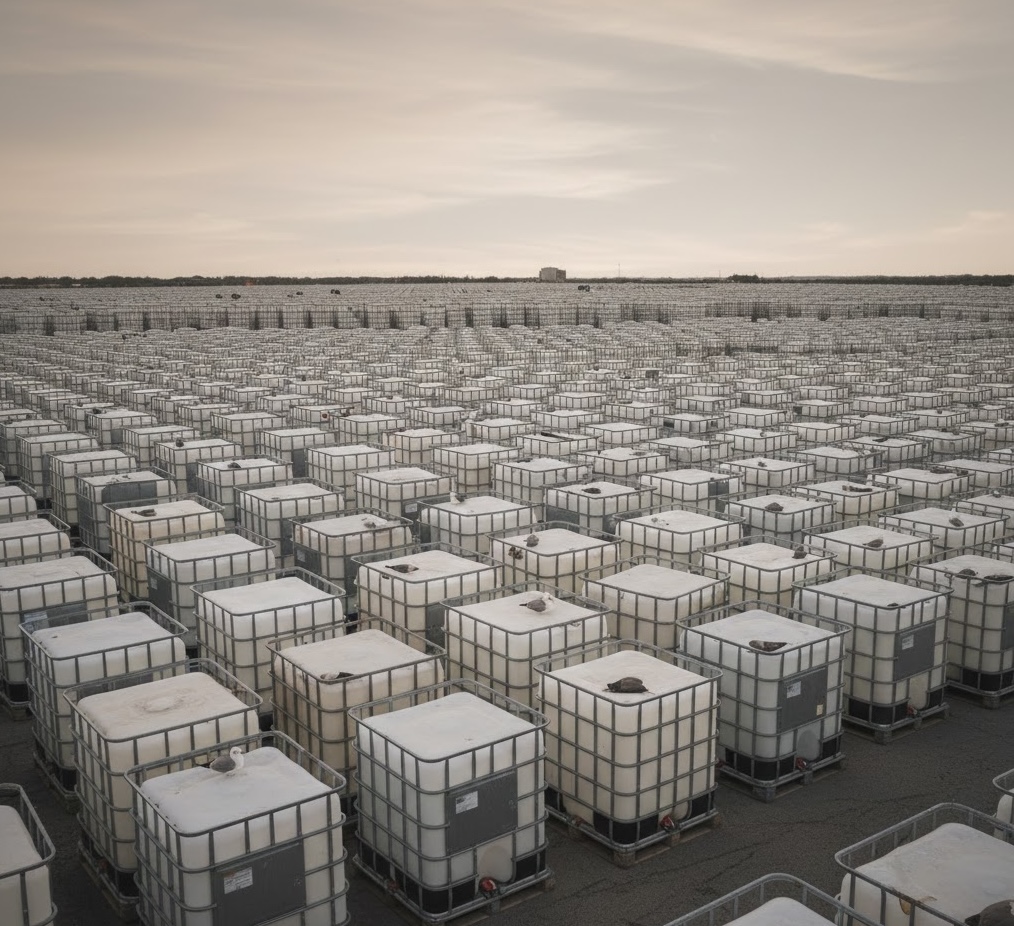
Discover what determines how long your IBC totes will last, from UV exposure to chemical compatibility, and how to maximize their useful life.
A well-maintained IBC can last 5-15 years depending on usage conditions. Understanding the factors that affect lifespan helps you maximize your investment.
UV radiation causes HDPE to become brittle over time. Outdoor storage without protection can reduce lifespan by 50% or more.
Incompatible chemicals cause stress cracking, swelling, or degradation. Always verify compatibility before use.
Both heat and cold stress IBC materials:
Improper handling damages containers:
Proper cleaning prevents residue buildup that can degrade plastic. Harsh cleaning chemicals can also cause damage.
Follow maintenance best practices, train personnel on proper handling, and retire containers before failure to prevent product loss and safety hazards.
Contact Washington IBC Totes for quality containers and expert guidance.
Get a Free QuoteLearn how to properly maintain your IBC totes to extend their lifespan and ensure safe, efficient use for years to come.
Learn about different cleaning techniques for IBC totes, from basic rinse procedures to thorough sanitization for sensitive applications.