Professional IBC Cleaning Methods
Learn about different cleaning techniques for IBC totes, from basic rinse procedures to thorough sanitization for sensitive applications.
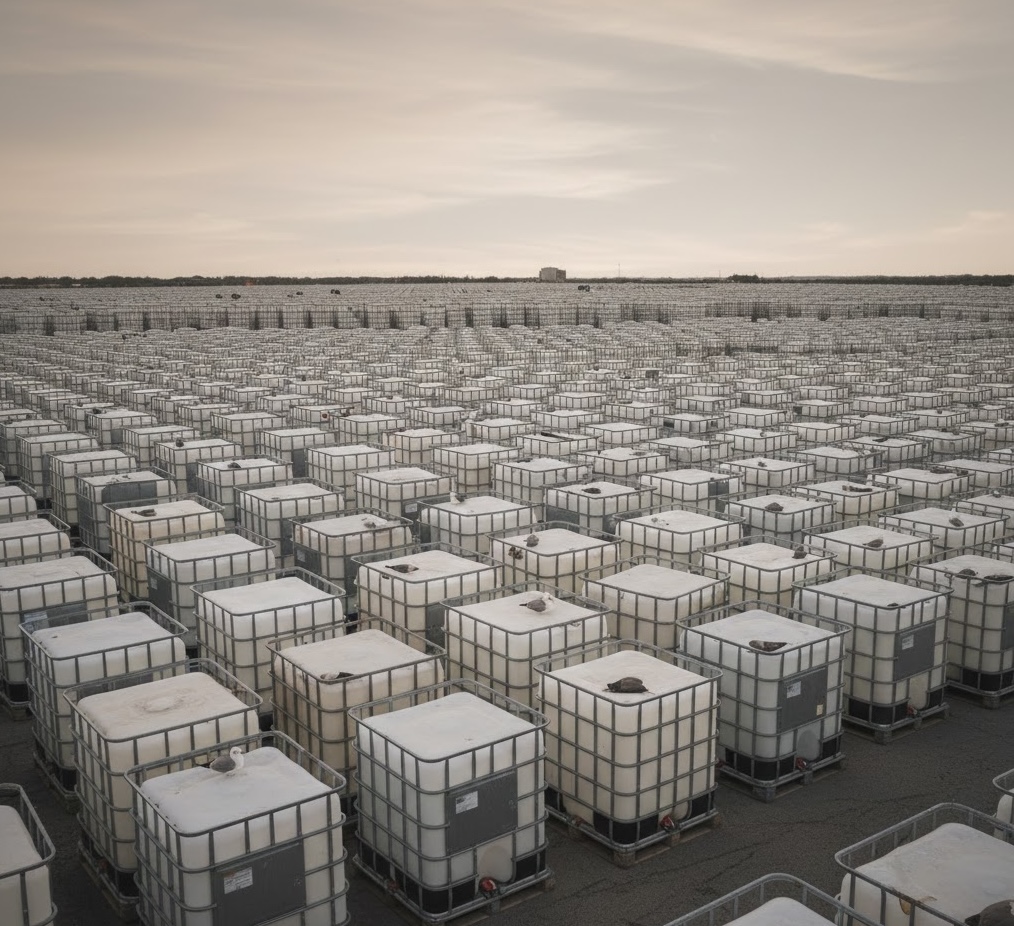
Learn how to properly maintain your IBC totes to extend their lifespan and ensure safe, efficient use for years to come.
Proper maintenance extends IBC lifespan, ensures product integrity, and maintains compliance with safety regulations. A well-maintained IBC can last 5-10 years or more.
Inspect IBCs before each use for cracks, bulging, discoloration, or damage to the cage. Check valve components and cap seals for wear.
Clean IBCs thoroughly when switching contents or after each use cycle. Use appropriate cleaning agents compatible with both the container material and previous contents.
Store empty containers with caps loosely fitted to allow air circulation. Keep them elevated off the ground and protected from direct sunlight when possible.
Extended UV exposure degrades HDPE plastic. Store outdoor IBCs under shade structures or use UV-protective covers.
Inspect and replace gaskets and seals regularly. Lubricate valve threads to prevent seizing. Replace damaged valves promptly.
The pallet/base is critical for safe handling. Inspect for cracks, broken slats, or forklift damage. Replace damaged pallets.
Some chemicals cause gradual material degradation. Watch for softening, brittleness, or stress cracking.
Keep records of contents, cleaning procedures, and inspection dates. This ensures traceability and compliance.
Never exceed recommended stacking heights. Ensure containers are properly aligned and stable.
Recognize when an IBC has reached end of life. Recycle containers that show significant degradation, damage, or contamination that cannot be remediated.
Contact Washington IBC Totes for quality containers and expert guidance.
Get a Free QuoteLearn about different cleaning techniques for IBC totes, from basic rinse procedures to thorough sanitization for sensitive applications.
Discover what determines how long your IBC totes will last, from UV exposure to chemical compatibility, and how to maximize their useful life.