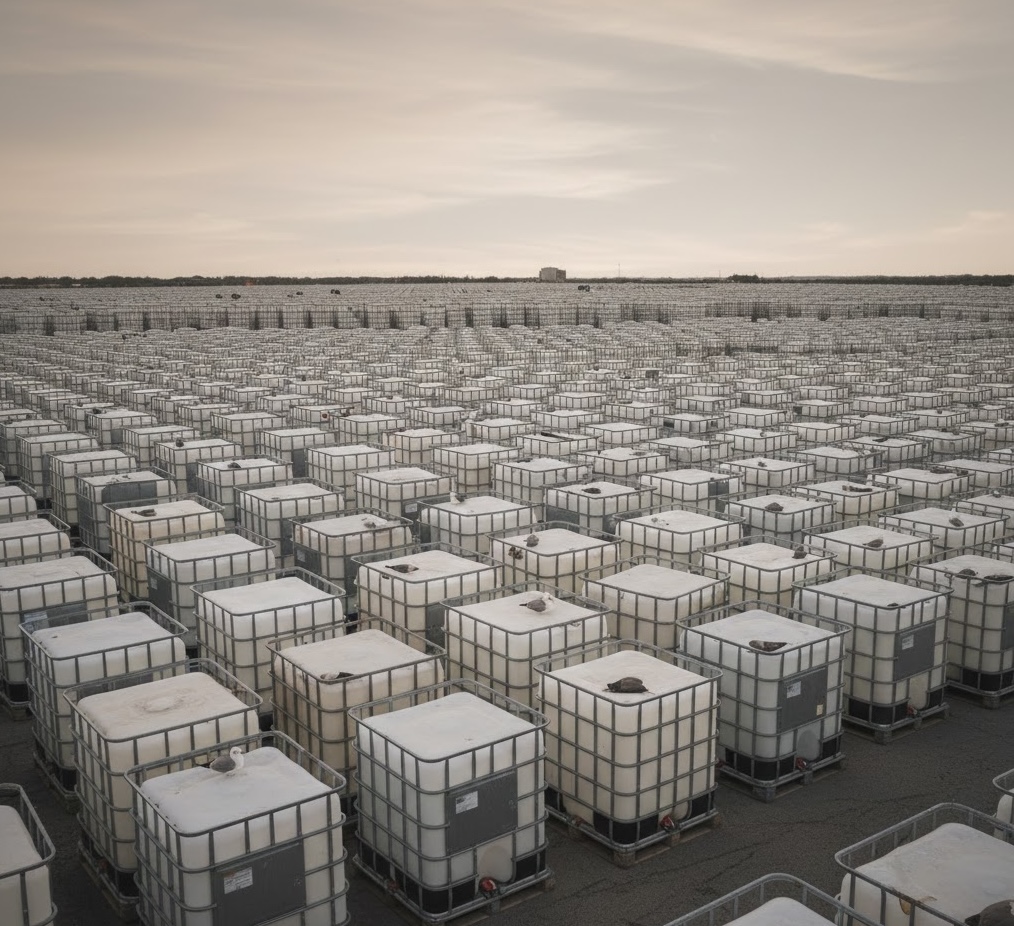
Why Recycle IBCs?
IBCs contain valuable recyclable materials. Proper recycling diverts waste from landfills and recovers resources for new products.
IBC Components and Recycling
HDPE Inner Container
- Highly recyclable plastic
- Shredded into flakes
- Washed and cleaned
- Pelletized for reuse
- Made into new plastic products
Steel Cage
- 100% recyclable metal
- Separated from other components
- Sent to metal recyclers
- Melted and reformed
Wood or Plastic Pallet
- Wood can be chipped or composted
- Plastic pallets are recyclable
- Often repaired and reused
The Recycling Process
- Collection: End-of-life IBCs gathered
- Inspection: Determine if reconditioning possible
- Disassembly: Separate components
- Cleaning: Remove residual contents
- Processing: Each material recycled appropriately
- Quality Control: Ensure material purity
- Manufacturing: Create new products
Challenges in IBC Recycling
- Contamination from previous contents
- Mixed materials require separation
- Transportation costs
- Market fluctuations for recyclables
How to Recycle Your IBCs
- Contact IBC suppliers about return programs
- Check with local recycling facilities
- Ensure containers are properly drained
- Document hazardous contents for proper handling
Environmental Impact
Recycling one IBC saves approximately 35 pounds of plastic from landfills and reduces energy consumption compared to virgin material production.
Need IBC Totes in Washington?
Contact Washington IBC Totes for quality containers and expert guidance.
Get a Free Quote