Building Aquaponics Systems with IBC Totes
Step-by-step guide to converting IBC totes into effective aquaponics growing systems for sustainable food production.
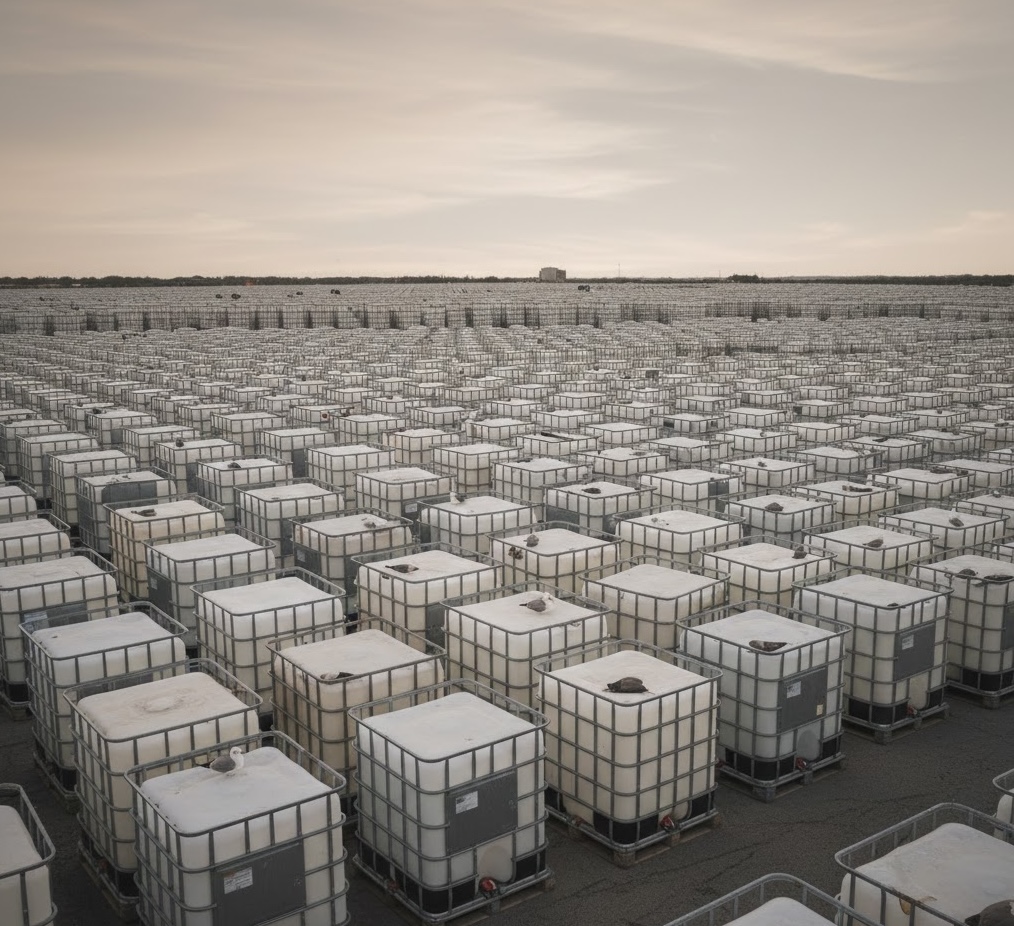
A complete guide to setting up a rainwater collection system using IBC totes, including safety considerations and legal requirements.
IBC totes are ideal for rainwater harvesting due to their large capacity, durability, stackability, and cost-effectiveness compared to purpose-built tanks.
Washington State allows rainwater harvesting, but check local regulations. Some areas have restrictions on collection amounts or require permits.
Harvested rainwater is excellent for irrigation, car washing, toilet flushing, and other non-potable uses. Additional treatment required if considering potable use.
Contact Washington IBC Totes for quality containers and expert guidance.
Get a Free QuoteStep-by-step guide to converting IBC totes into effective aquaponics growing systems for sustainable food production.
Discover how farms and agricultural businesses use IBC containers for fertilizer, water, and chemical storage.
How craft breweries and wineries use food-grade IBC containers for ingredient storage, fermentation, and distribution.