The IBC Recycling Process Explained
Learn what happens to end-of-life IBC totes during recycling, from material separation to new product creation.
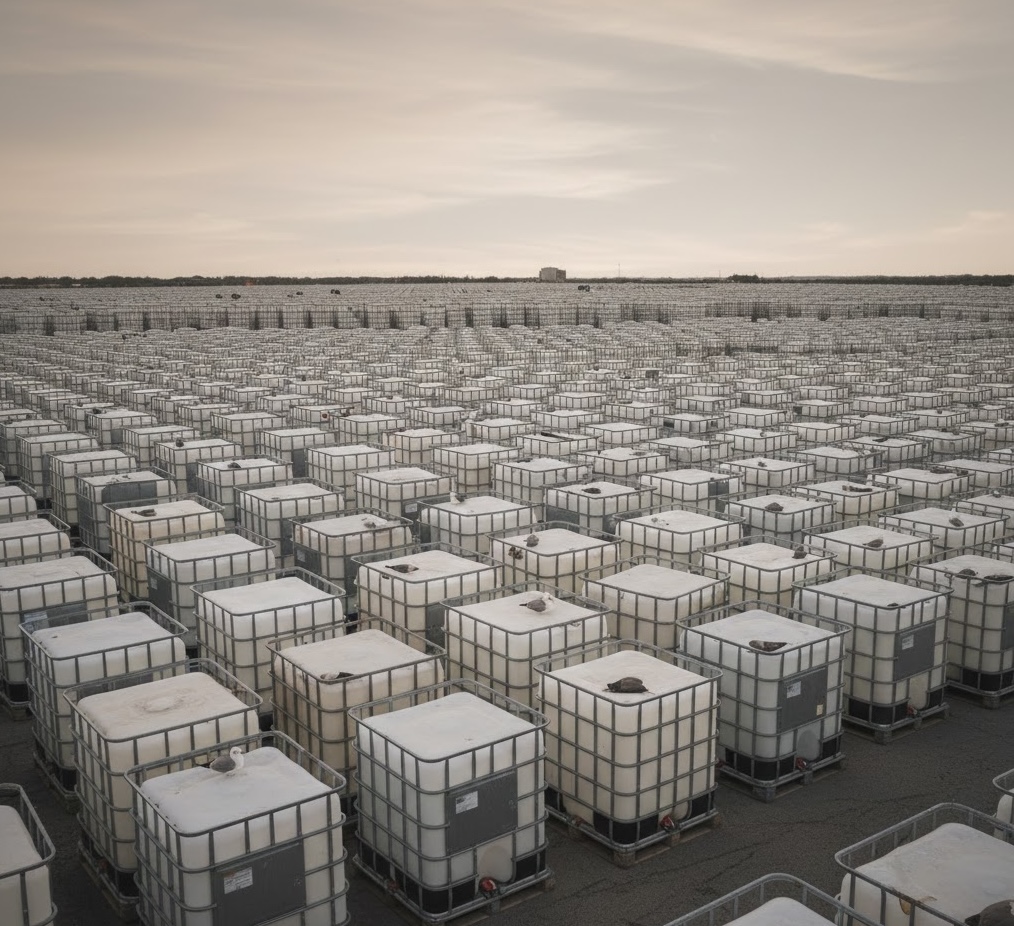
How businesses can implement environmentally responsible practices for IBC tote use, reuse, and recycling.
IBC totes represent a significant investment of resources—plastic, steel, and wood. Sustainable management practices can dramatically reduce environmental impact while saving money.
Rather than single-use disposal, IBCs should be viewed as long-term assets that circulate through multiple use cycles:
Work with suppliers who accept returned containers. Many companies offer credits or discounts for returned IBCs.
Well-maintained IBCs last longer, reducing replacement frequency and waste.
Purchasing reconditioned IBCs extends container life and reduces demand for new manufacturing.
Monitor container usage to identify optimization opportunities. Reduce fleet size where possible.
When IBCs reach end of life, ensure proper recycling. HDPE plastic is highly recyclable, steel cages can be melted down, and wood pallets can be chipped or repurposed.
Sustainable practices often reduce costs, improve compliance with environmental regulations, and enhance brand reputation with environmentally-conscious customers.
Contact Washington IBC Totes for quality containers and expert guidance.
Get a Free QuoteLearn what happens to end-of-life IBC totes during recycling, from material separation to new product creation.