Understanding Food-Grade IBC Requirements
Everything you need to know about FDA regulations, food-grade certifications, and best practices for food and beverage storage in IBCs.
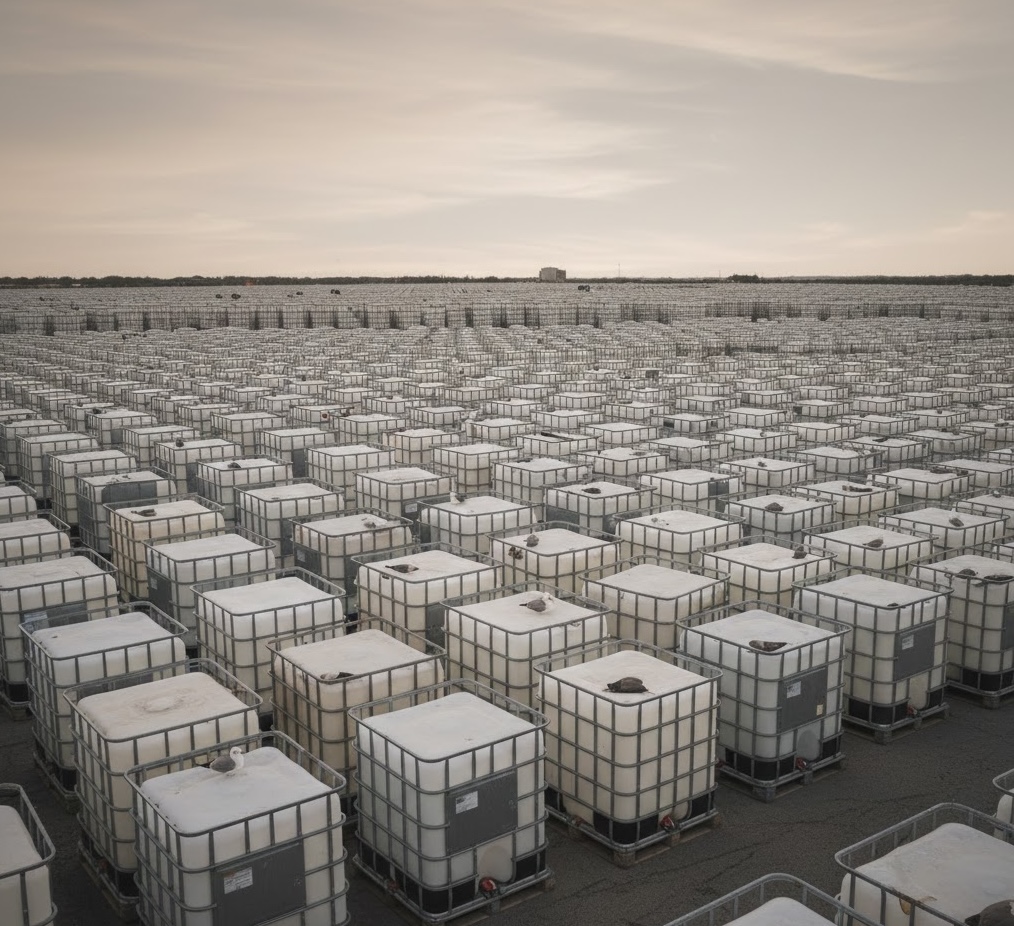
A detailed guide to UN ratings, certification requirements, and regulations for transporting hazardous materials in IBCs.
United Nations (UN) certification indicates that an IBC has been tested and approved for transporting hazardous materials according to international standards. This certification is mandatory for shipping dangerous goods.
UN-certified IBCs display markings that provide key information:
High danger—most rigorous testing. For highly hazardous materials.
Medium danger—standard hazardous materials.
Low danger—minor hazard materials only.
UN certification involves testing for:
UN certification has a validity period (typically 5 years from manufacture). Reconditioned IBCs must be re-tested and re-certified. Damaged containers lose certification.
Transporting hazardous materials in non-certified containers violates DOT regulations and can result in significant fines. Always verify certification status before shipping dangerous goods.
Contact Washington IBC Totes for quality containers and expert guidance.
Get a Free QuoteEverything you need to know about FDA regulations, food-grade certifications, and best practices for food and beverage storage in IBCs.
Essential safety guidelines and regulatory requirements for handling, storing, and transporting IBC totes in workplace environments.