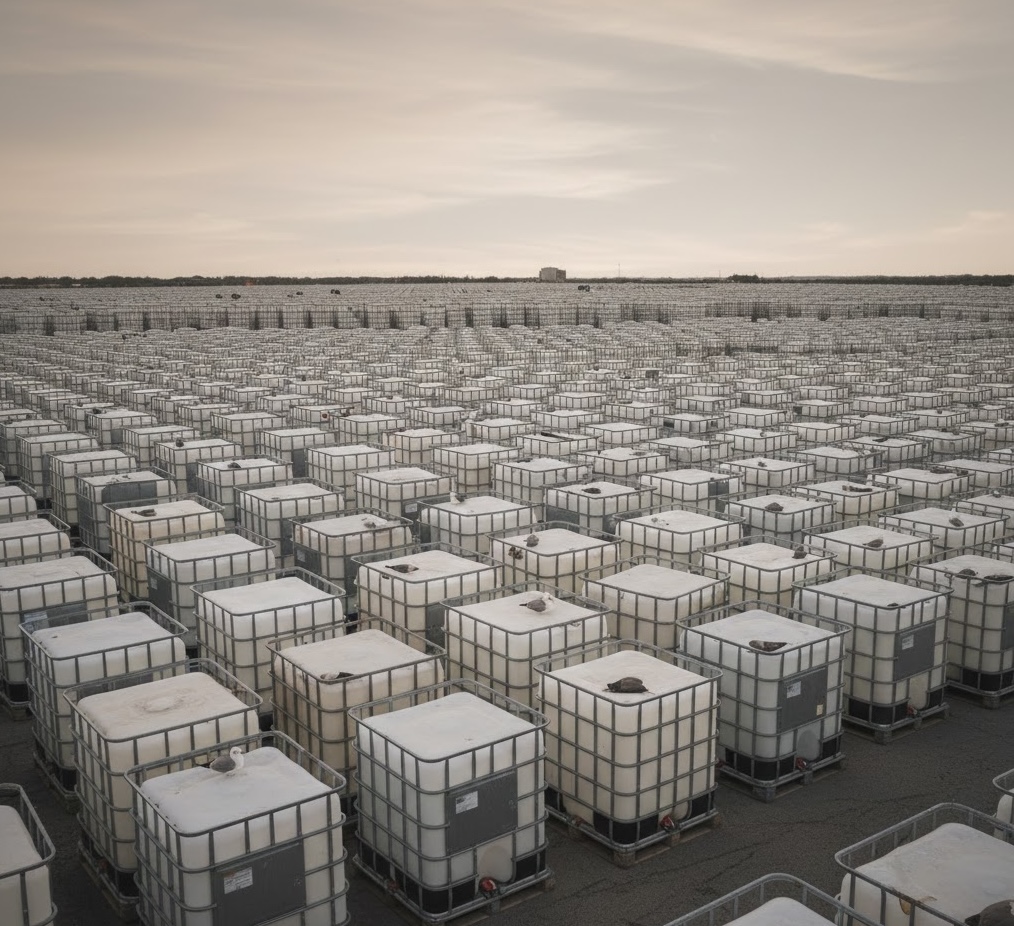
Types of IBC Totes
Understanding the different types of intermediate bulk containers and their applications.
Get Your Free Estimate
Intermediate Bulk Containers (IBCs) come in various designs, each suited for specific applications and materials. Understanding the differences helps you choose the right container for your needs.
Composite IBC
Most Common Type
Features a plastic inner bottle within a galvanized steel cage, mounted on a pallet. The most popular choice for liquid storage and transport.
Key Features
- 275-330 gallon capacity
- HDPE inner bottle
- Steel cage protection
- Forklift accessible
Applications
- Chemicals
- Food products
- Pharmaceuticals
- Agricultural products
Stainless Steel IBC
Premium Option
Fully constructed from stainless steel, these containers offer superior durability and are ideal for sensitive materials.
Key Features
- Corrosion resistant
- Easy to clean
- Long lifespan
- Temperature resistant
Applications
- Pharmaceuticals
- Cosmetics
- High-purity chemicals
- Food processing
Flexible IBC (FIBC)
Bulk Bags
Made from woven polypropylene fabric, these flexible containers are ideal for dry bulk materials.
Key Features
- Lightweight
- Collapsible
- Cost-effective
- High capacity
Applications
- Dry powders
- Granular materials
- Agricultural products
- Construction materials
Folding IBC
Space Saving
Designed to collapse when empty, these containers save storage and return shipping costs.
Key Features
- Collapsible design
- Reduced return shipping
- Space efficient
- Reusable
Applications
- Liquids
- Food ingredients
- Industrial chemicals
- Logistics
Heated IBC
Temperature Control
Equipped with heating elements to maintain product temperature during storage and transport.
Key Features
- Built-in heating
- Thermostat control
- Insulated
- Temperature monitoring
Applications
- Viscous liquids
- Oils and fats
- Chocolate
- Temperature-sensitive chemicals
UN Certified IBC
Hazmat Approved
Tested and certified for transporting dangerous goods according to UN regulations.
Key Features
- UN certification
- Safety tested
- Compliant markings
- Documentation included
Applications
- Hazardous materials
- Flammable liquids
- Corrosive substances
- Toxic materials

Choosing the Right IBC
The type of IBC you need depends on your specific application, the materials you'll be storing, and your industry requirements. Our team can help you make the right choice.
- Consider chemical compatibility
- Check temperature requirements
- Verify regulatory compliance
- Assess storage and handling needs
Material Compatibility
Choosing the right IBC material is crucial for safe storage and transport. Here's a quick guide:
| Material | HDPE Composite | Stainless Steel |
|---|---|---|
| Water-based solutions | Excellent | Excellent |
| Food products | Good* | Excellent |
| Alcohols | Good | Excellent |
| Acids | Limited | Varies |
| Solvents | Poor | Excellent |
| Oils | Good | Excellent |
*Food-grade certification required for food applications
Need Help Choosing?
Our experts can help you select the right IBC type for your specific application.
Contact Our Experts